Northwest Development Commission (NWDC) - Driving Sustainable Growth and Development in Nigeria's Northwest Region
North-West Development Commission
Driving sustainable development across the seven (7) states of the North-West Region

About NWDC
186 LGAs & 2,003 Wards
M+Approx. Population
The North-West Development Commission (NWDC) was established as a strategic intervention agency to address the critical developmental challenges facing the seven states of the North-West geopolitical zone. Following a robust legislative push championed by the National Assembly leadership, the Commission was formally signed into law by President Bola Ahmed Tinubu on July 24, 2024.
Operationalized in September 2024 with the inauguration of its pioneer Governing Board, the NWDC is now the primary vehicle mandated to drive reconstruction, tackle poverty and insecurity, and unlock the vast economic potential of the region.
Jigawa, Kaduna, Kano, Katsina, Kebbi, Sokoto, and Zamfara



To facilitate the rapid socio-economic recovery of the North-West through strategic infrastructure reconstruction, poverty eradication, and social rehabilitation, turning the region’s challenges into opportunities for sustainable growth.
To create a secure, economically vibrant, and sustainable North-West region that thrives on peace, agricultural innovation, and human capital development.

Mandates of the Commission

Education
Empowering Minds, Transforming Futures: Education Development in Northwest Nigeria by NWDC .Education is the foundation of personal and societal growth, empowering individuals with the knowledge, skills, and critical thinking necessary to navigate life's challenges and contribute meaningfully to the world..
Learn More
Agriculture
Agricultural Development: Unlocking the Potential of Northwest Nigeria with NWDC
Learn More
Peace & Security
Securing Lives and Properties: A Priority for the Northwest Development Commission (NWDC)
Learn More
Healthcare
Transforming Healthcare: A Priority for the Northwest Development Commission (NWDC)
Learn More
Human Capital Dev.
Empowering People, Transforming Futures: Human Capital Development in Northwest Nigeria by NWDC
Learn More
Infrastructure
Infrastructure is the backbone of any thriving society, and its importance cannot be overstated.
Learn More
Urban and Housing
Building Sustainable Cities and Homes: Urban and Housing Development in Northwest Nigeria by NWDC
Learn More
Socio-Economic
Socio-economic development is the cornerstone of progress, and it lies at the heart of the Northwest Development Commission (NWDC) ’
Learn More Building Enduring Value Across
North-West States
The New World
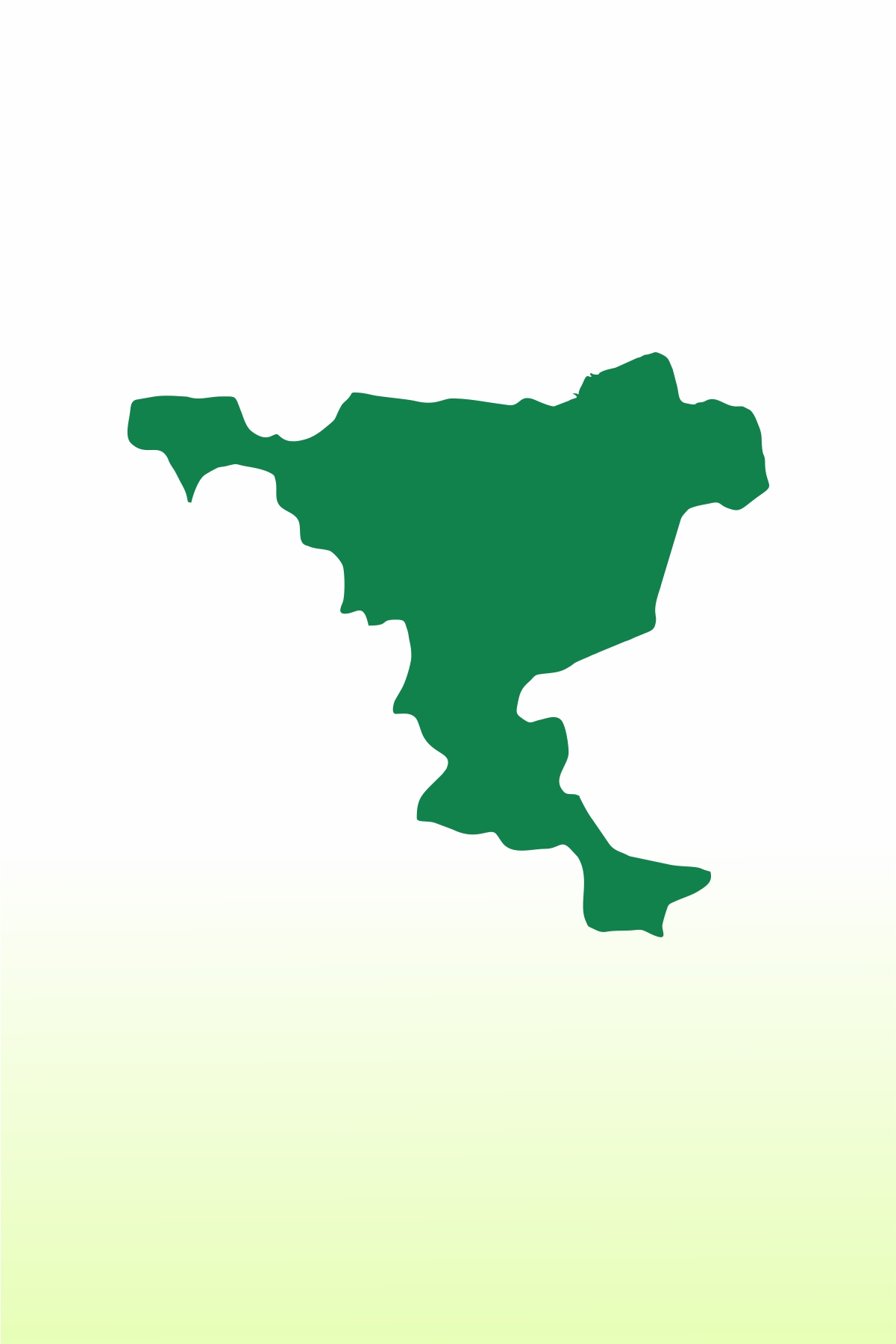
Created in 1991 from Kano State, Jigawa is an agrarian state characterized by its vast, undulating plains and wetlands. It borders the Republic of Niger, making it a critical gateway for trans-border trade in the region.
Date Palm & Hibiscus Production: Jigawa is Nigeria's largest producer of dates and a top exporter of Hibiscus (Zobo) flowers.
The Hadejia-Nguru Wetlands: A massive ecological zone that supports fishing and dry-season farming.
Solid Minerals: Significant deposits of Kaolin, Trona (Potash), and Silica Sand.
Agro-Processing (Export), Renewable Energy & Maigatari Border Free Trade Zone.
Centre of Learning
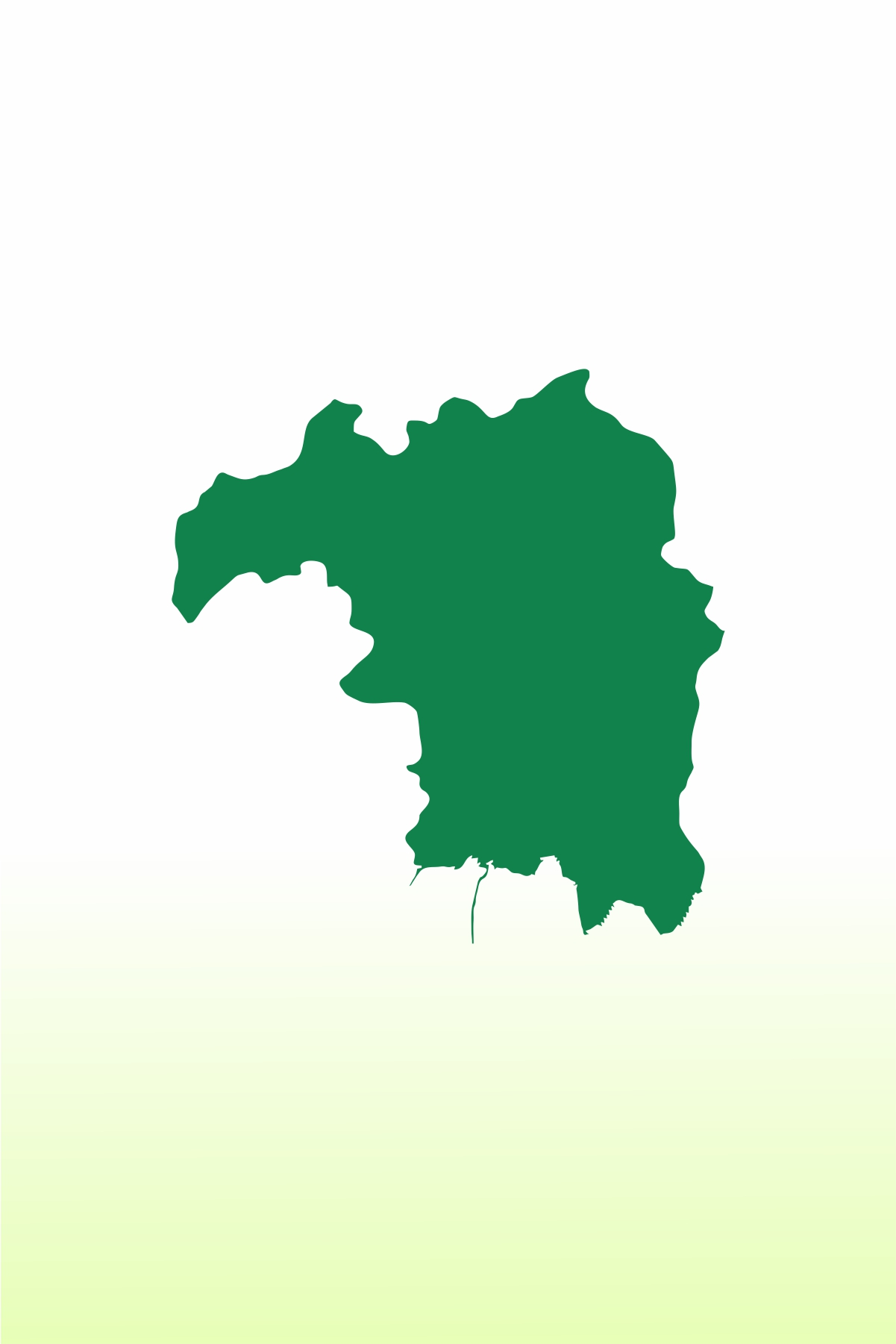
Kaduna is the political powerhouse of the North, serving as the former capital of the Northern Region. It is a cosmopolitan hub that blends administration, defense, and industry.
Education & Defense: Home to premier institutions like Ahmadu Bello University (ABU) and the Nigerian Defence Academy (NDA).
Ginger: The state is the largest producer of high-quality Ginger in Nigeria (Southern Kaduna).
Textiles & Industry: Historically the industrial hub of the North, with revitalization efforts ongoing in textile manufacturing.
Mining & Extractive Industry, Mining & Extractive Industry and Urban Real Estate.
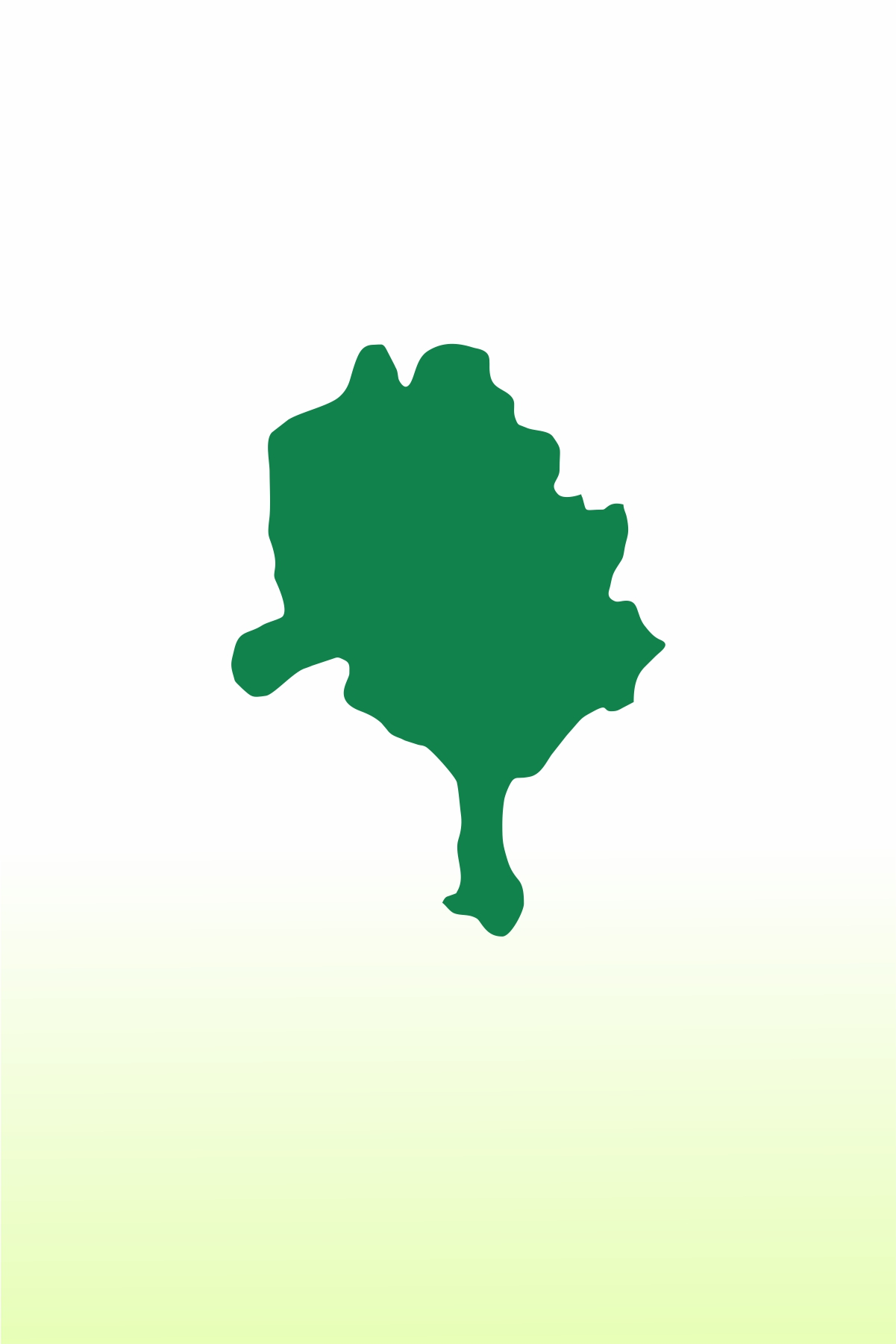
Centre of Commerce
Kano is the most populous state in the region and the commercial nerve center of Northern Nigeria. It has been a major route for trans-Saharan trade for centuries and remains a hub for West African commerce.
Commerce & Trade: The Kurmi Market and massive grain markets make it a focal point for regional economics.
Hides & Skin (Leather): Kano leather is world-famous (historically exported as “Moroccan Leather”) and supplies luxury brands globally.
Rice & Groundnut Pyramids: A historical agricultural giant currently leading in rice processing and groundnut farming.
Waste-to-Wealth, Leather & Tannery, Industrialization, and Education & Healthcare Hubs
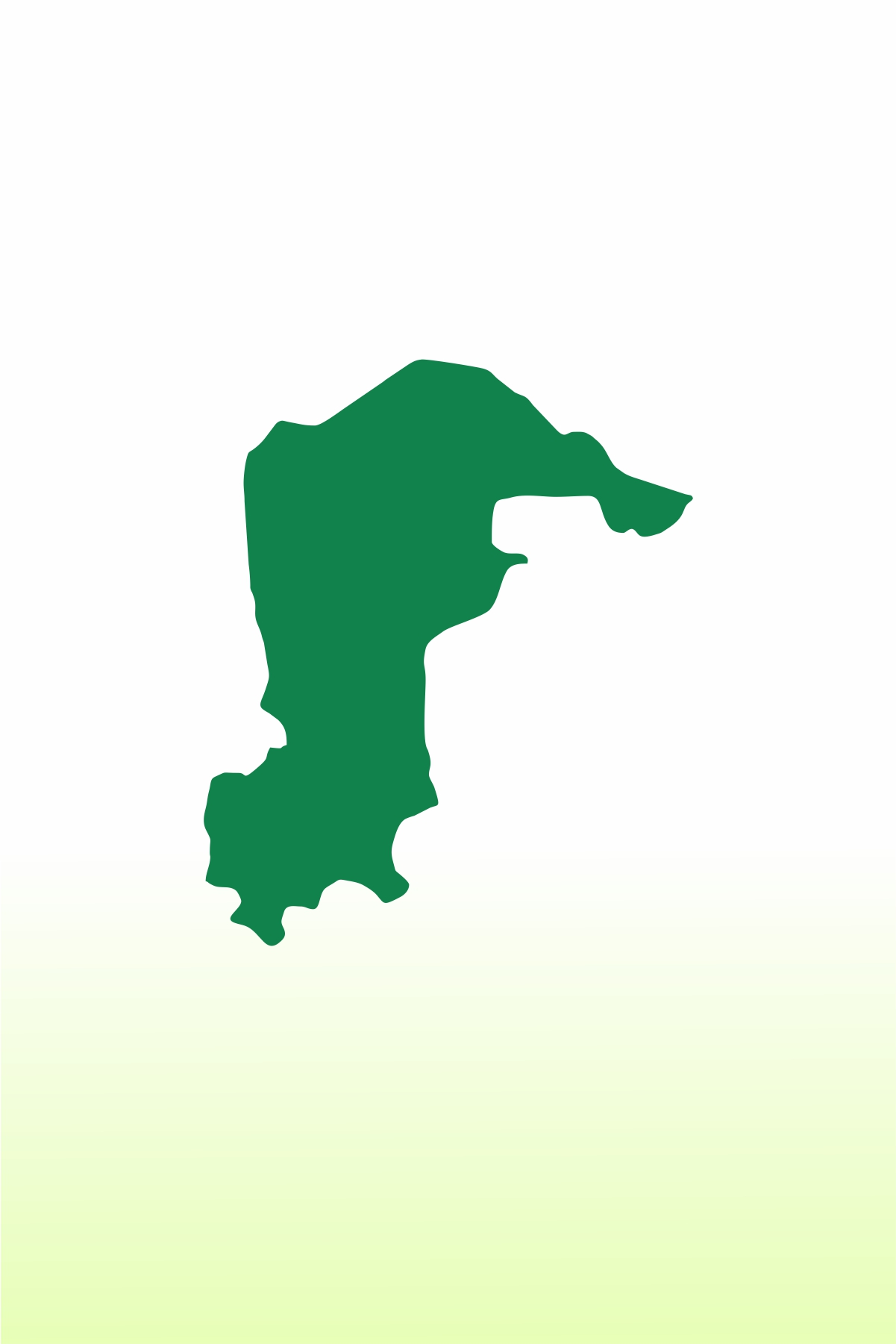
Home of Hospitality
Katsina is a historical seat of learning and heritage. It is traditionally regarded as the center of Hausa culture and has produced two Nigerian Presidents, giving it significant political weight.
Cotton: Historically one of the largest cotton-producing belts in West Africa.
Wind Energy: Home to the Lambar Rimi Wind Farm, highlighting the state’s potential for renewable energy.
Livestock: It possesses one of the largest livestock markets in the region (Mai'adua and Charanchi)
Renewable Energy (Wind & Solar), Textile & Cotton Value Chain, and Logistics & Haulage.
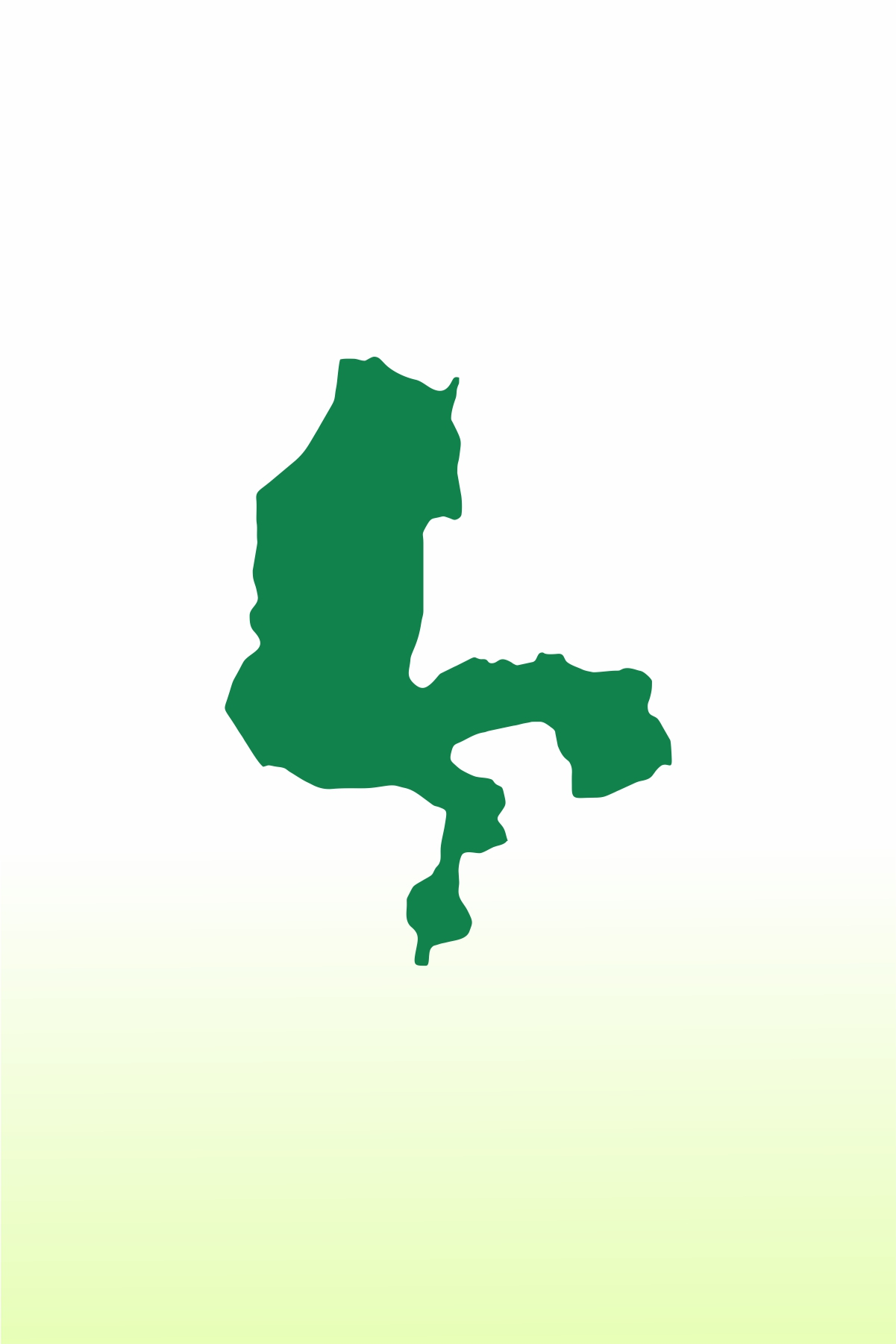
Land of Equity
Kebbi is known for its floodplains (Fadama), which make it an agricultural powerhouse. It shares borders with two countries (Benin Republic and Niger), giving it a unique strategic position for cross-border security and trade.
Rice Revolution: The face of Nigeria’s rice revolution (famous for the “Lake Rice” partnership).
The Argungu Fishing Festival: A global cultural event that highlights the state's massive fishery resources.
Gold Mining: Emerging as a significant site for artisanal and industrial gold mining.
Rice Value Chain, Bio-Fuel Production, and Tourism & Hospitality.
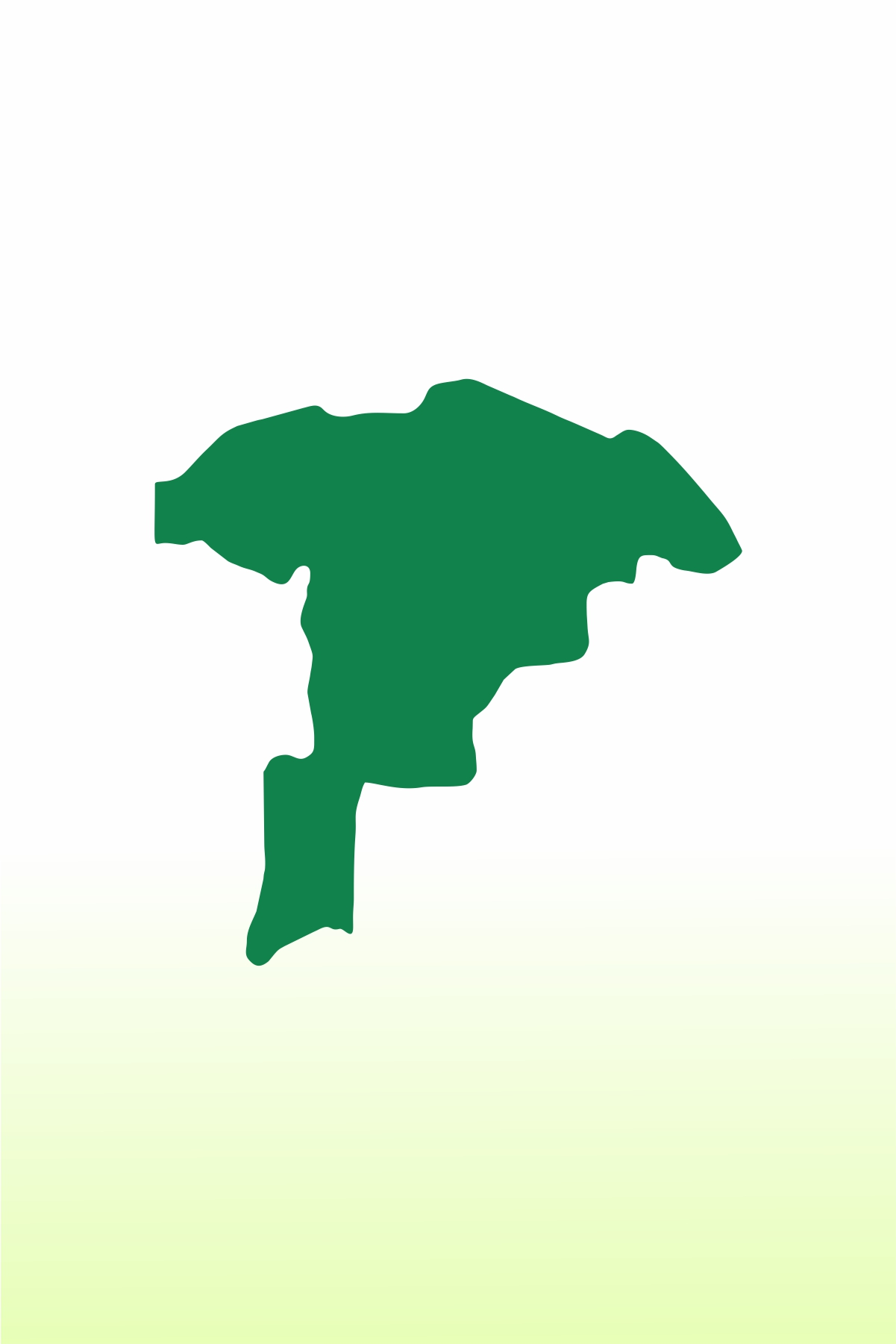
Seat of Caliphate
Sokoto is the spiritual capital of Nigerian Muslims, being the seat of the Sultan. It is a center for religious tourism and peace-building, with a dry Sahelian climate suited for specific crops.
Limestone: It holds some of the largest limestone reserves in Nigeria, powering the massive BUA and Lafarge cement plants.
Onions & Garlic: The state is the largest producer of onions in Nigeria.
Leather Crafts: Famous for traditional leather works and tanning.
Cement & Limestone, Onion & Garlic Processing, and Tannery & Leather.
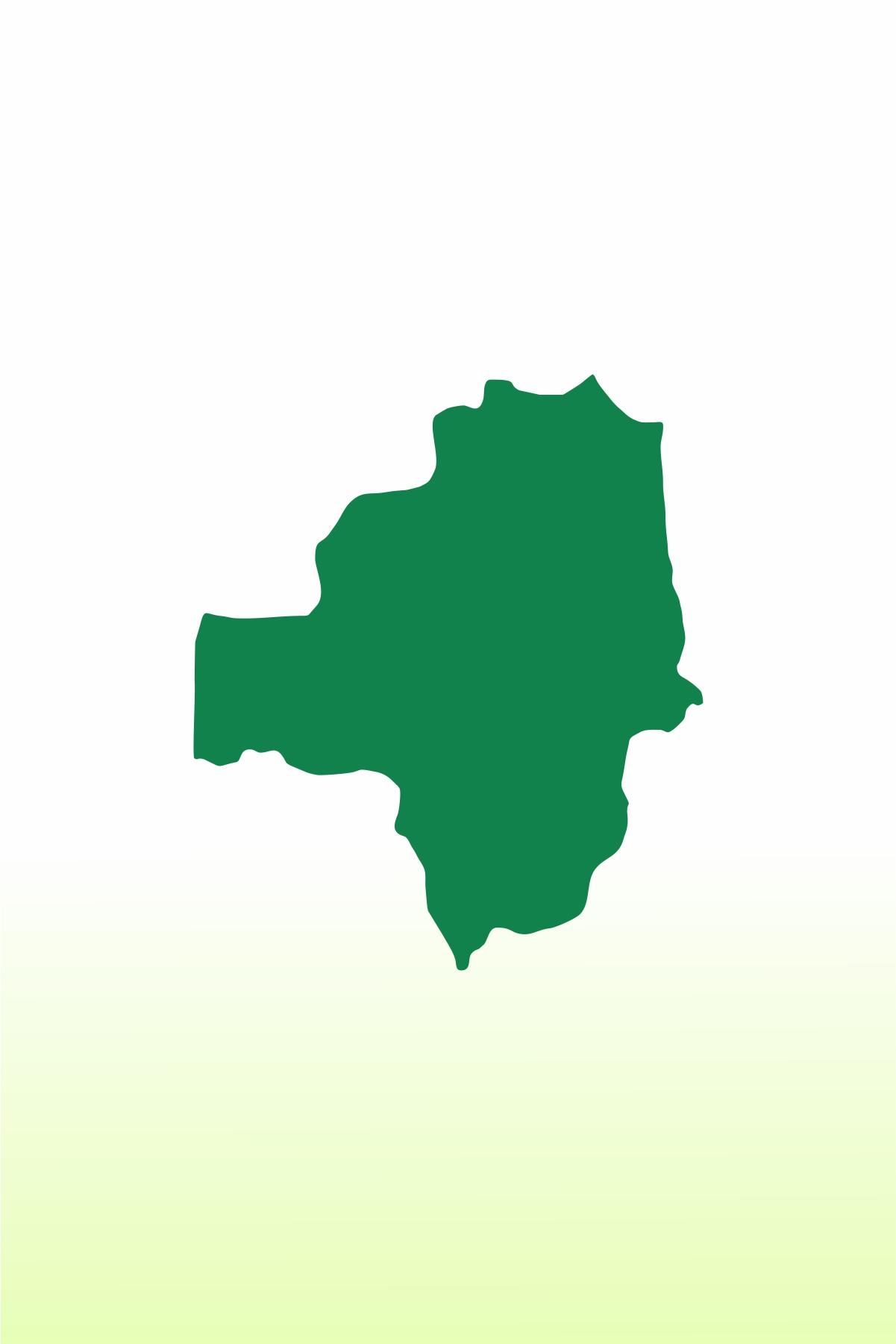
Farming is Our Pride
Zamfara was the first state to adopt Sharia law in the current republic. It is a resource-rich state with vast arable land, though it faces challenges that the NWDC is mandated to address (insecurity and illegal mining).
Gold: Zamfara is arguably Nigeria’s most gold-rich state, with massive untapped and artisanal potential.
Cotton & Tobacco: A traditional hub for cash crops that feed regional industries.
Legumes: Major producer of beans and groundnuts.
Gold Refining, Cotton Ginneries, and Livestock Value Chain.
Upcoming Project
From enhancing education and healthcare to boosting agriculture, infrastructure, and security, our initiatives are tailored to meet the unique needs of the seven states under our jurisdiction. Explore our projects, stay updated on progress, and discover how you can partner with us to create lasting impact.
Board & Management Staff
Meet the talented and passionate NWDC Board members
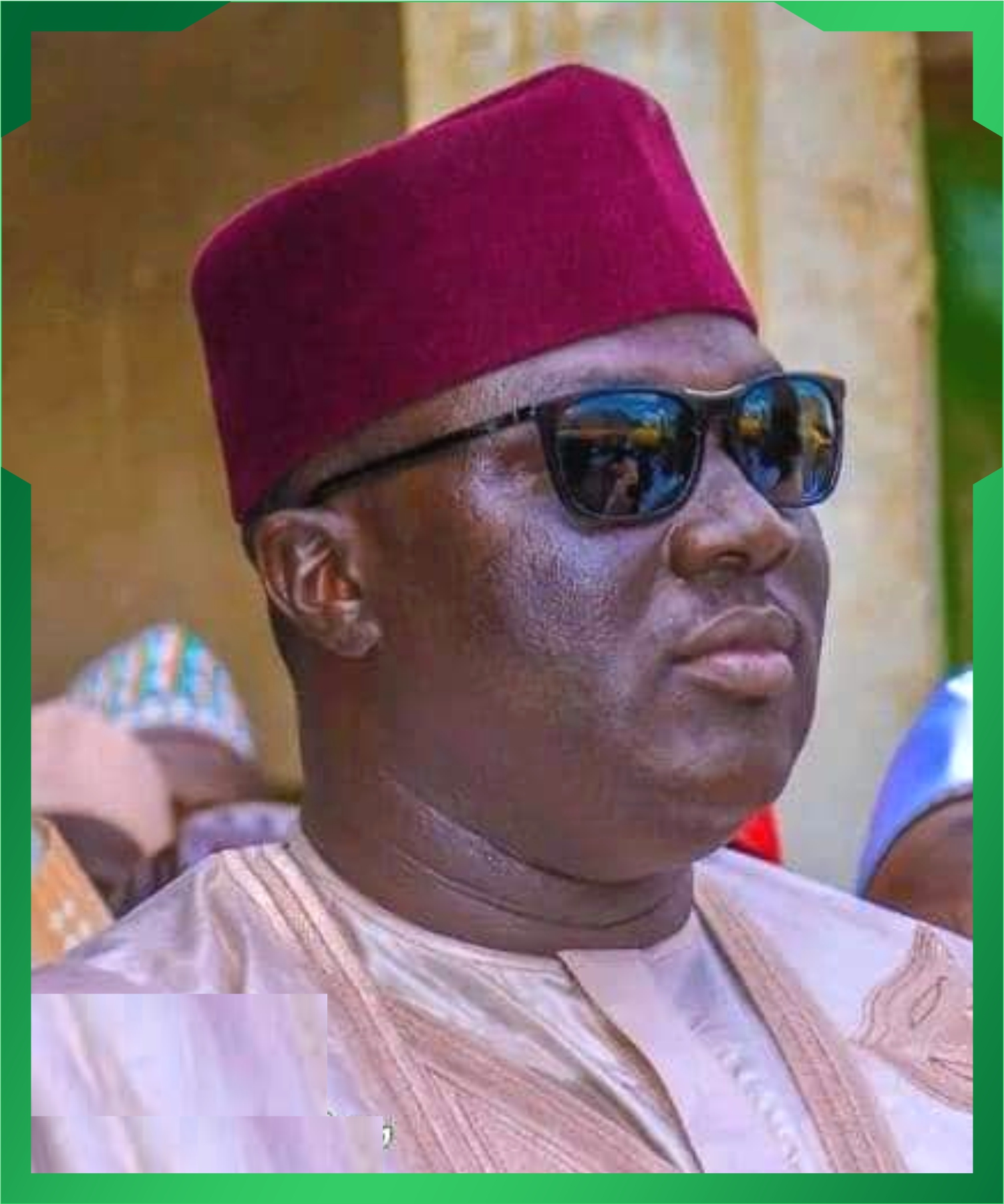
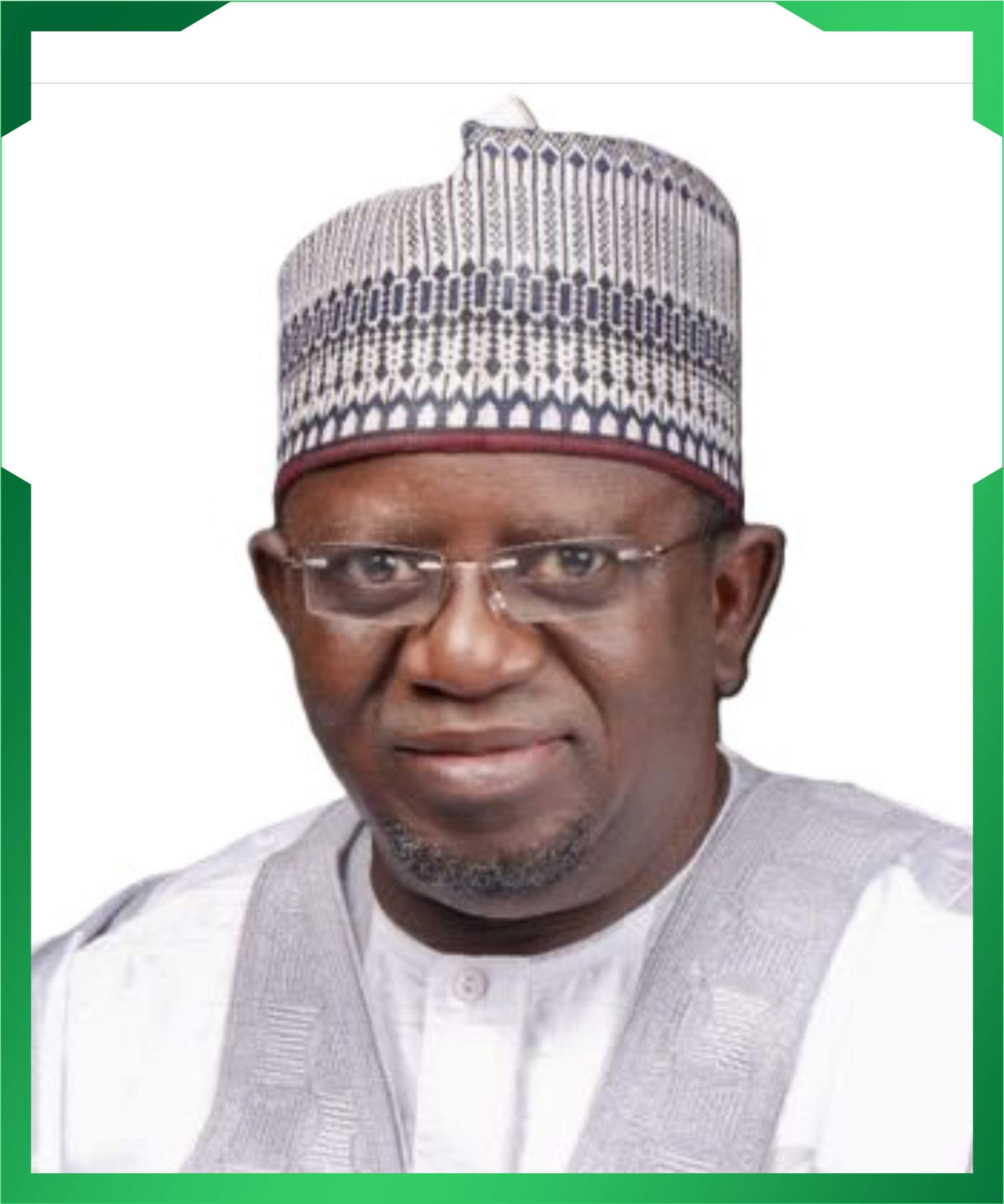
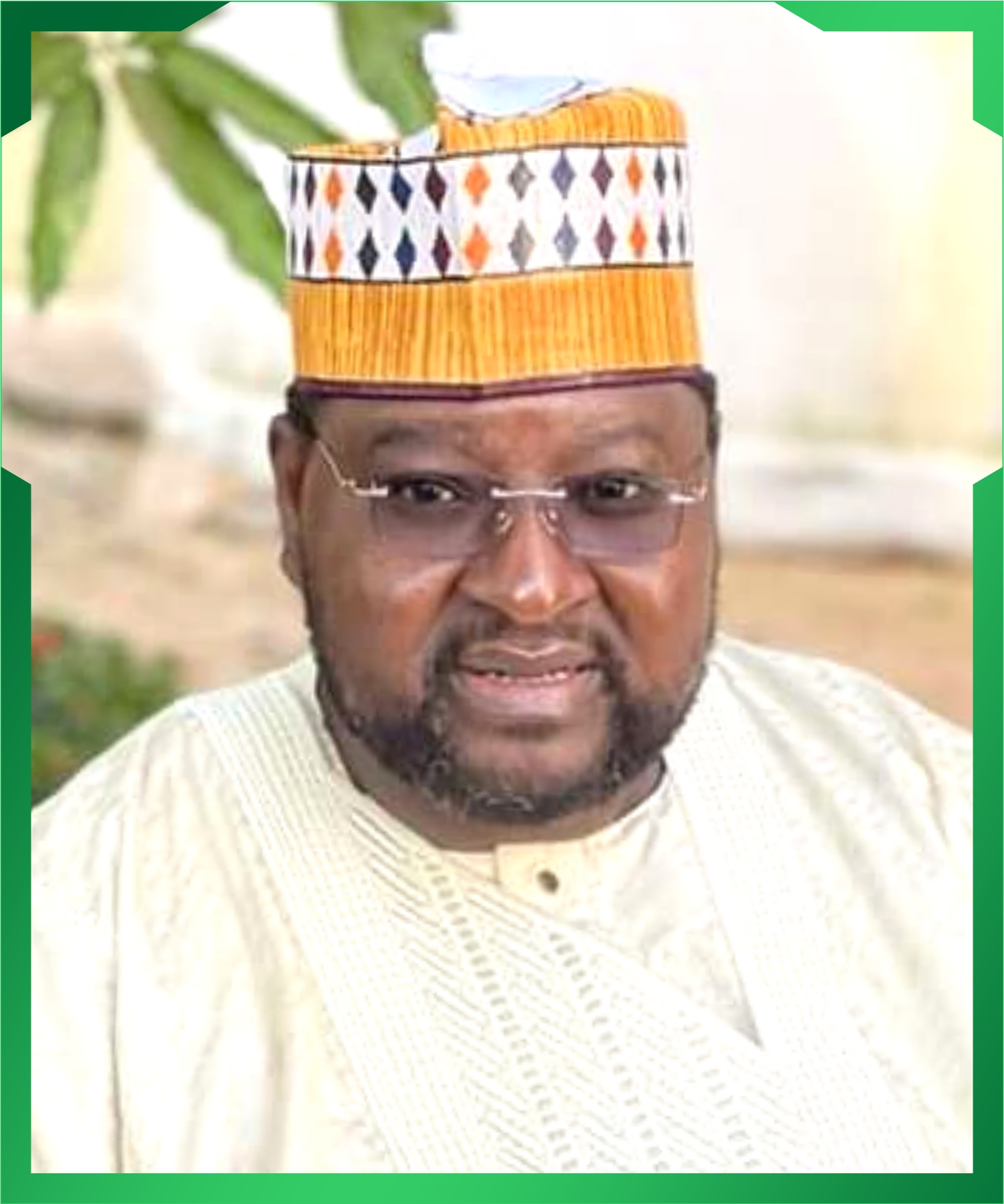
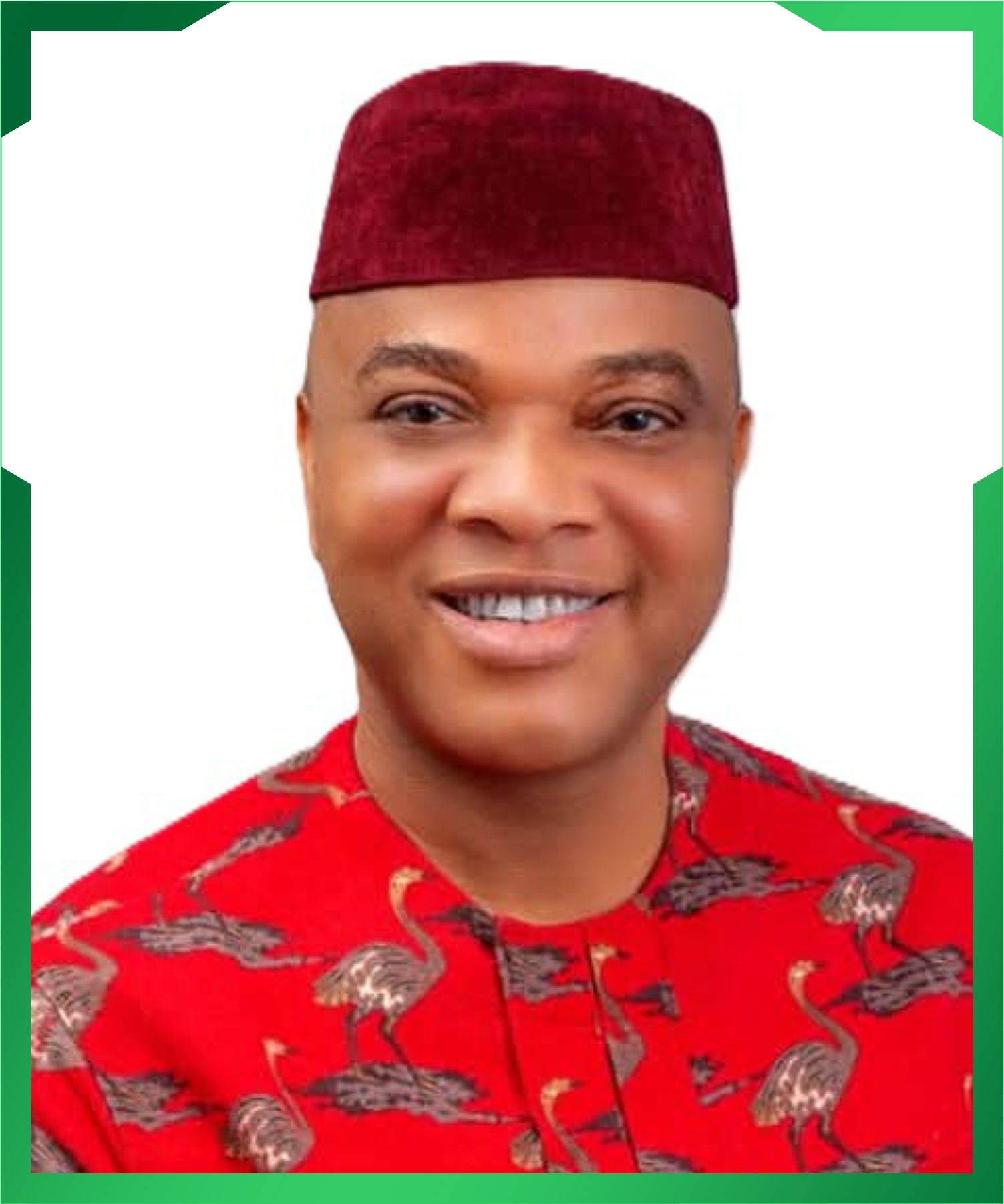

Our Latest News Articles
Explore the insights and trends shaping the NWDC
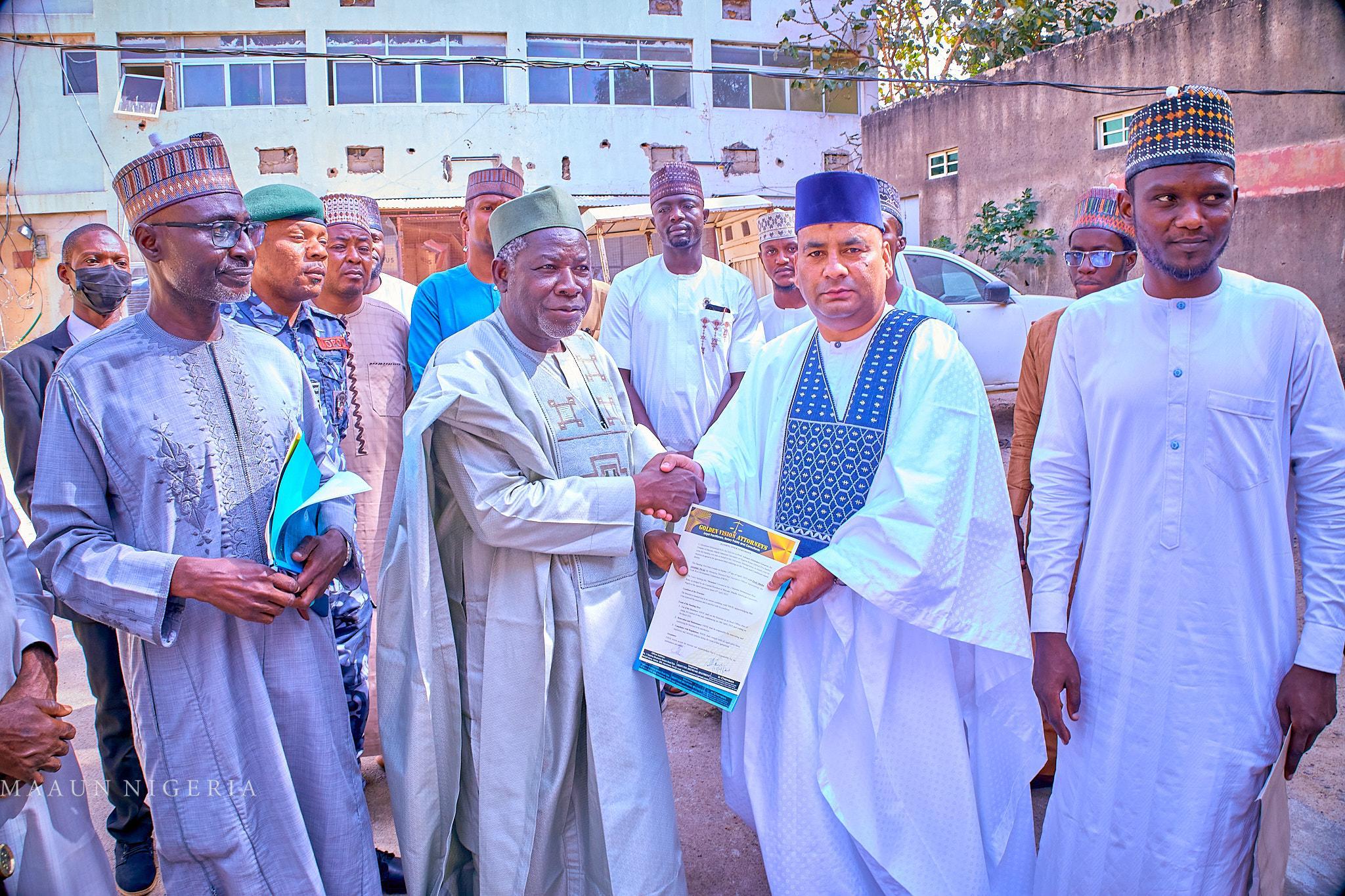
The North-West Development Commission (NWDC) is pleased to announce the formal handover of a 7-storey building
Keep Reading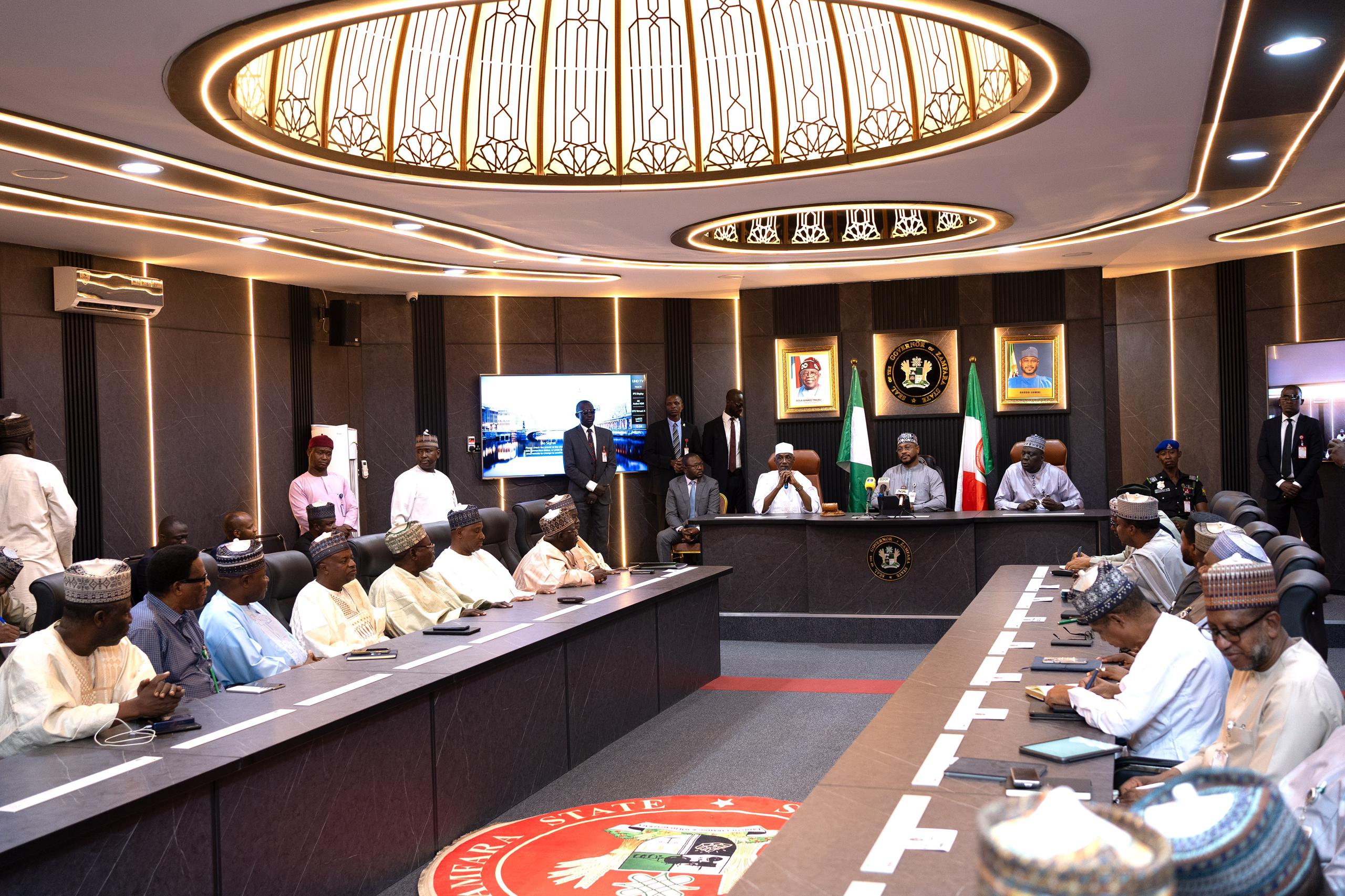
The visit was part of the commission’s ongoing engagements with key stakeholders in the region to foster collaboration and accelerate the implementation of its mandate.
Keep Reading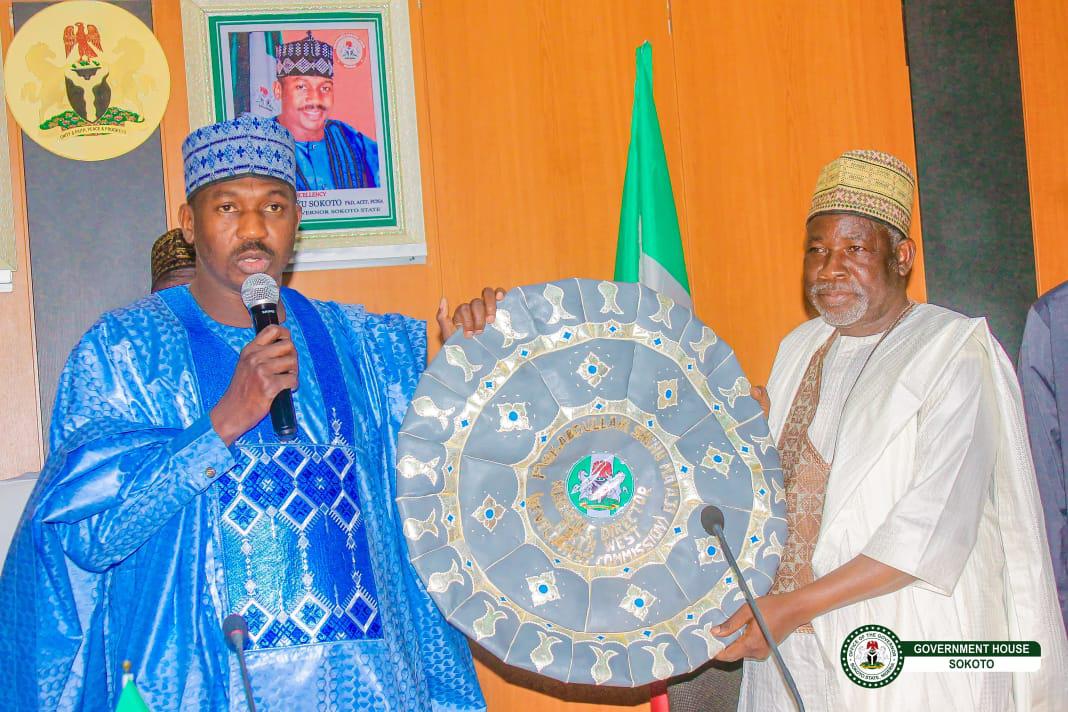
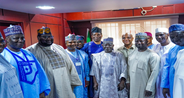
North-West Development Commission Board Members Pay Courtesy visit to SOKOTO State GOVERNOR, Dr. Ahmad Aliyu FCNA
Keep Reading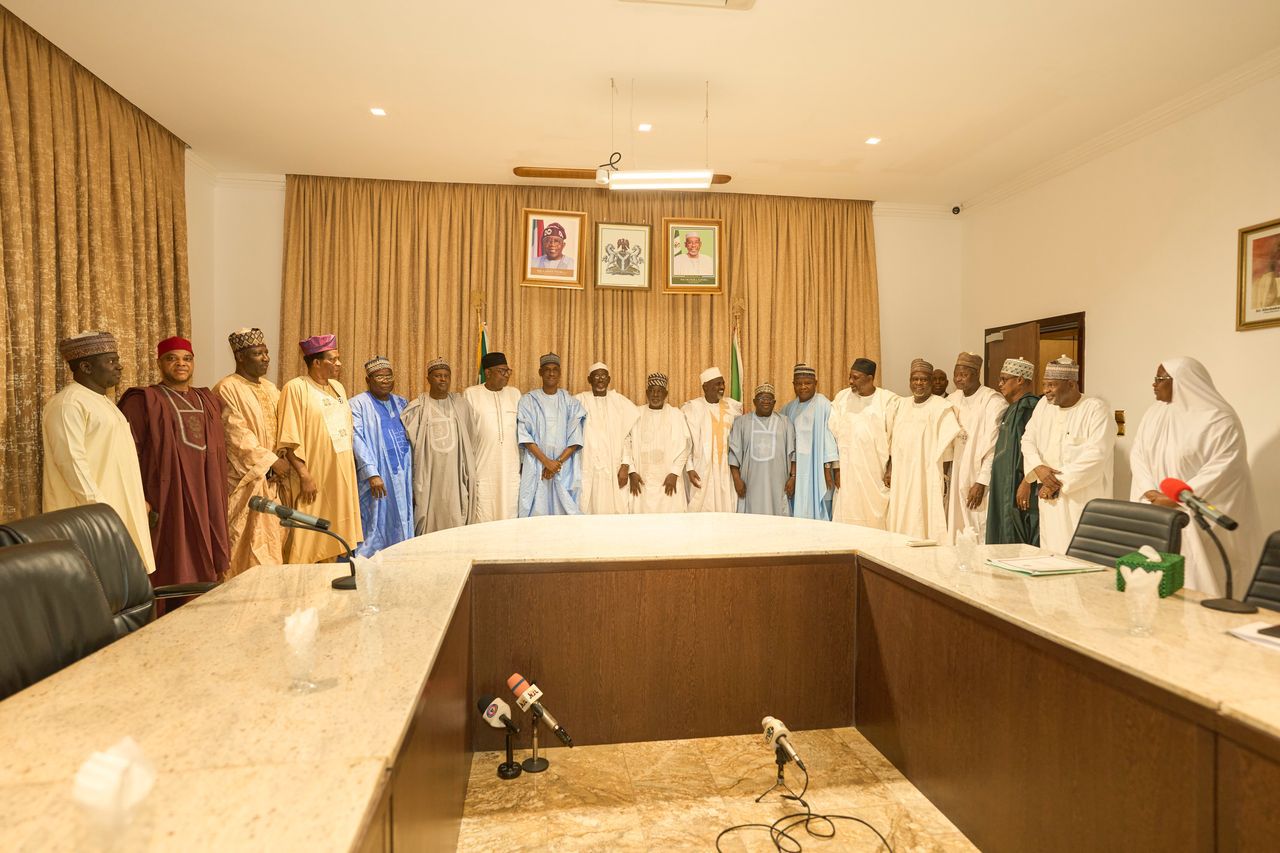
North-West Development Commission Leadership Visits Jigawa State Governor Namadi, Calls For Collaborative Efforts
Keep ReadingBeloved by Developers, Trusted by Enterprises:
Transforming Online presence into Success Stories for Leading Brands
Explore Our Partnerships











Thinking about a Project? Get in
touch with us.
Please let us know if you have a question, want to leave a comment, or would like further information about NWDC activities.
Get Involved Today!
The support team is always available 24/7
Watch activities VideosWatch our video of projects and trending NWDC events
Stay updated on NWDC activities and projects?By following us on social media platforms like Facebook, Twitter, Instagram, and LinkedIn, and by Subscribing to our newsletter for regular updates on projects, achievements, and upcoming events.
Got questions?
We've got answers
Quick answers to questions you may have. Can't find what you're looking for? Get in touch with us.
You can partner with the NWDC by reaching out through our official website or contact channels. We collaborate with government agencies, private sector organizations, NGOs, and individuals to implement development projects. Visit www.nwdc.gov.ng for more details on partnership opportunities.
You can stay updated by:
Visiting our official website: www.nwdc.gov.ng .
Following us on social media platforms like Facebook, Twitter, Instagram, and LinkedIn.
Subscribing to our newsletter for regular updates on projects, achievements, and upcoming events.
Yes, the NWDC places significant emphasis on rural development. We invest in projects that improve access to clean water, electricity, healthcare, education, and transportation in rural areas. Our goal is to bridge the gap between urban and rural communities and ensure equitable development.
The NWDC focuses on several key areas, including:
Infrastructure development (roads, energy, water, and digital connectivity).
Human capital development (education, skills training, and healthcare).
Agriculture and agribusiness.
Security and peacebuilding.
Urban and housing development.
Socio-economic empowerment and job creation.
Technology is central to the NWDC’s strategy. We leverage tech solutions such as:
Digital infrastructure to expand internet access and connectivity.
Innovation hubs and tech training programs to equip youth with digital skills.
Data analytics to track project progress and optimize resource allocation.